Let’s be honest: pensions sit somewhere between “I’ll deal with it later” and “surely Future Me will have this all figured out.” But the reality, especially for women, is a lot more complicated and a lot more urgent.
According to Scottish Widows’ latest Women and Retirement report, women are 12 times more likely than men to take a career break to raise children. No surprise there. The problem is the ripple effect that follows those breaks.
Kris Banks, Director of Sales & Development at egg partner Melville Independent financial advisors in Edinburgh, puts it plainly. “More than half of women at or near retirement (58%) have taken one or more breaks from employment. Only 12% of men have done the same. That’s not just lost salary, those breaks mean lost pension contributions, lost employer top-ups, and lost years of compound growth. Those missing years come back to bite.”
And they do bite. This year, Scottish Widows calculated that the median private pension pot for women at retirement is £173,000, while men are walking away with an average of £286,000. That’s a £113,000 gender pension gap, up from £100,000 last year! Imagine entering retirement already six figures behind!
Many women look at those numbers and assume they’ve already missed their chance. That sense of 'too late' can be paralysing. Julie Burgoyne, a fully qualified Independent Financial Adviser working with Melville Independent, sees this pattern all the time.
“Many people, especially women, think they’ve left it too late when it comes to pensions, but it’s never too late to start saving. Even small contributions can make a difference.”
Women who spend years self-employed often face an even steeper challenge. When you run your own business, pensions slip to the bottom of the list. You’re chasing invoices, juggling clients, filing tax returns, doing admin and trying to grow. Future income feels like a luxury concern. You tell yourself you’ll sort a pension ‘one day’, then suddenly ten years have passed and that day has never arrived.
“Retirement always feels like a distant idea, until it isn’t,” says Julie. “That’s why it’s important to consider when we want to retire and with how much income now. This is our opportunity to contribute to the pension as early as possible in order to achieve our retirement goal.”
Julie’s advice isn’t just about starting; it’s about keeping an eye on your progress.
“As with any investment, it is important to review your pension regularly to ensure it is still invested in line with your risk tolerance, to ensure it is performing and to calculate if you are on target for your anticipated retirement income.”

And contrary to popular belief, pensions aren’t a one-size-fits-all product. The right option depends on your situation.
“There are a number of options available when it comes to pensions,” Julie explains. “Not all options are available to everyone. For example, if you are self-employed, you would be looking at taking out a personal pension, or if you are employed you may look to use a personal pension to top up your pension.”
The message is simple: nobody is asking you to get everything perfect today. The goal is movement. A first contribution. A review. A top-up. A conversation with a financial adviser. Every step you take is one future burden you won’t have to carry.
“Even £100 a month will do more for your future than doing nothing at all,” adds Julie.
“Some people begin small and step up as life stabilises. A client might start with £150 a month in her early freelance years, then raise it to £250 when business picks up. Another might begin at 40 and put aside lump sums when invoices are paid. Another might not start until 50 but contributes consistently and catches up through the tax allowance system. Everyone starts somewhere. The only mistake is assuming you’re too late.”

So, how much should you aim for in your pension pot?
“As we’ve said, there’s no one-size-fits-all answer,” says Julie. “The amount you need depends on your lifestyle, goals and personal circumstances.”
“A good starting point is to think about the income you’d like to receive each month in retirement. A common rule of thumb is to multiply your desired monthly income by 300. Assuming average long-term growth of around 4%, this suggests you would need a fund of roughly £300,000 to provide an income of £1,000 per month.
“However, this is only a very simple guide. It doesn’t account for investment charges, how your portfolio may change over time, variations in investment growth or inflation, or other sources of retirement income.”
“This is why professional financial advice is so valuable. A qualified adviser can help you build a personalised plan based on your own circumstances, rather than relying on general rules of thumb.”
Perhaps the most overlooked part of this entire conversation is confidence. Some women feel embarrassed to ask for advice or are ashamed they don’t understand pensions. Others assume their partner’s pension will cover the household. Maybe it will. But maybe it won’t. Relationships change. Life happens. Health changes. Building your own financial safety means safety, dignity and the ability to enjoy life on your own terms.
Pension poverty isn’t an abstract concept; it’s the quiet crisis women are walking into without realising. But it doesn’t have to end that way. Start small. Start late. Start imperfectly. Just start. Your retired self won’t care how you began.
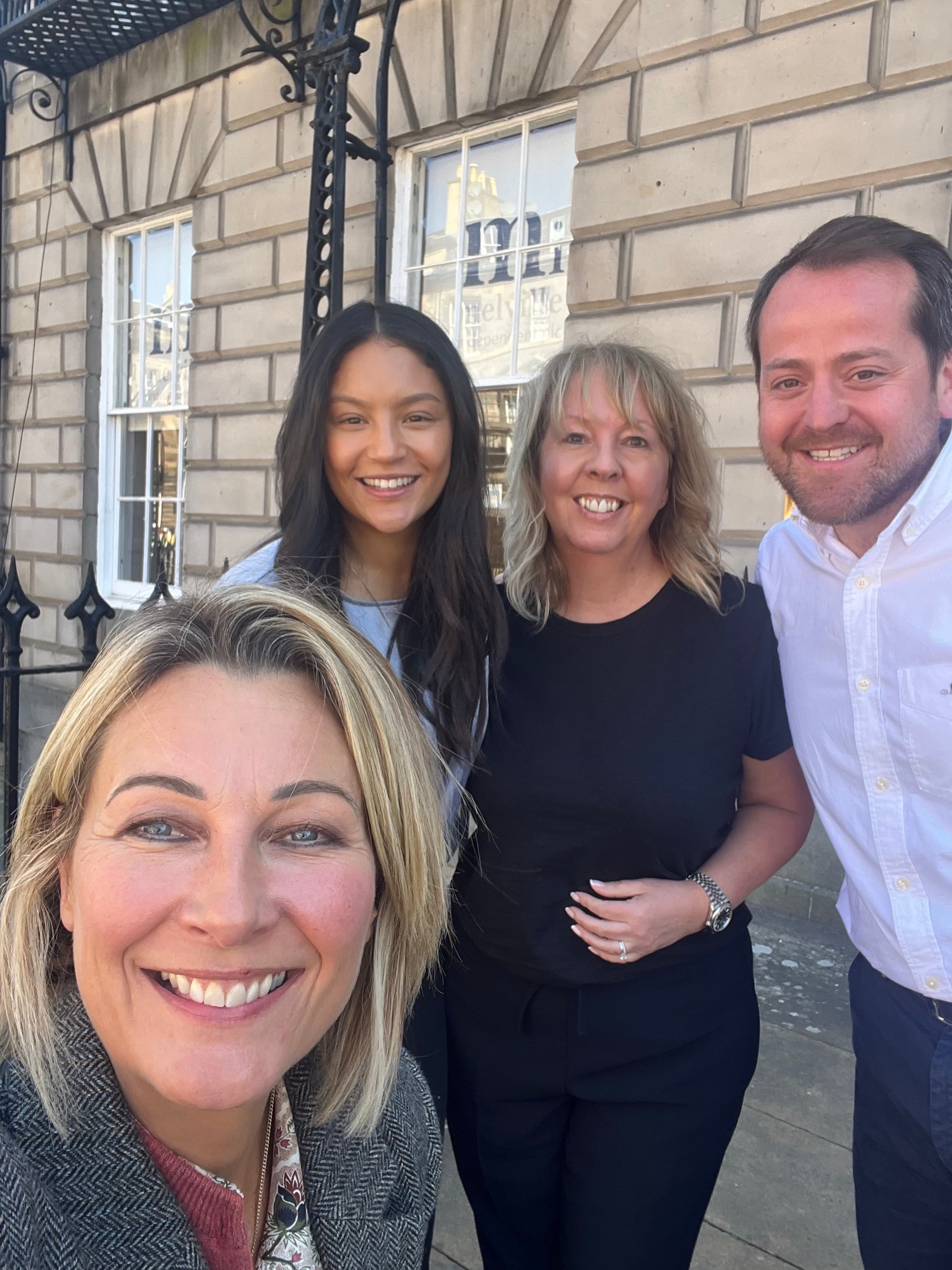
Melville Independent are a Scottish-based company offering independent financial advice. They’ve been assisting clients and many fellow eggs with wealth management advice for more than 10 years from their city centre offices on Melville Street Edinburgh.
If you'd like a free financial audit, call 0131 260 2760 or send an email to [email protected]