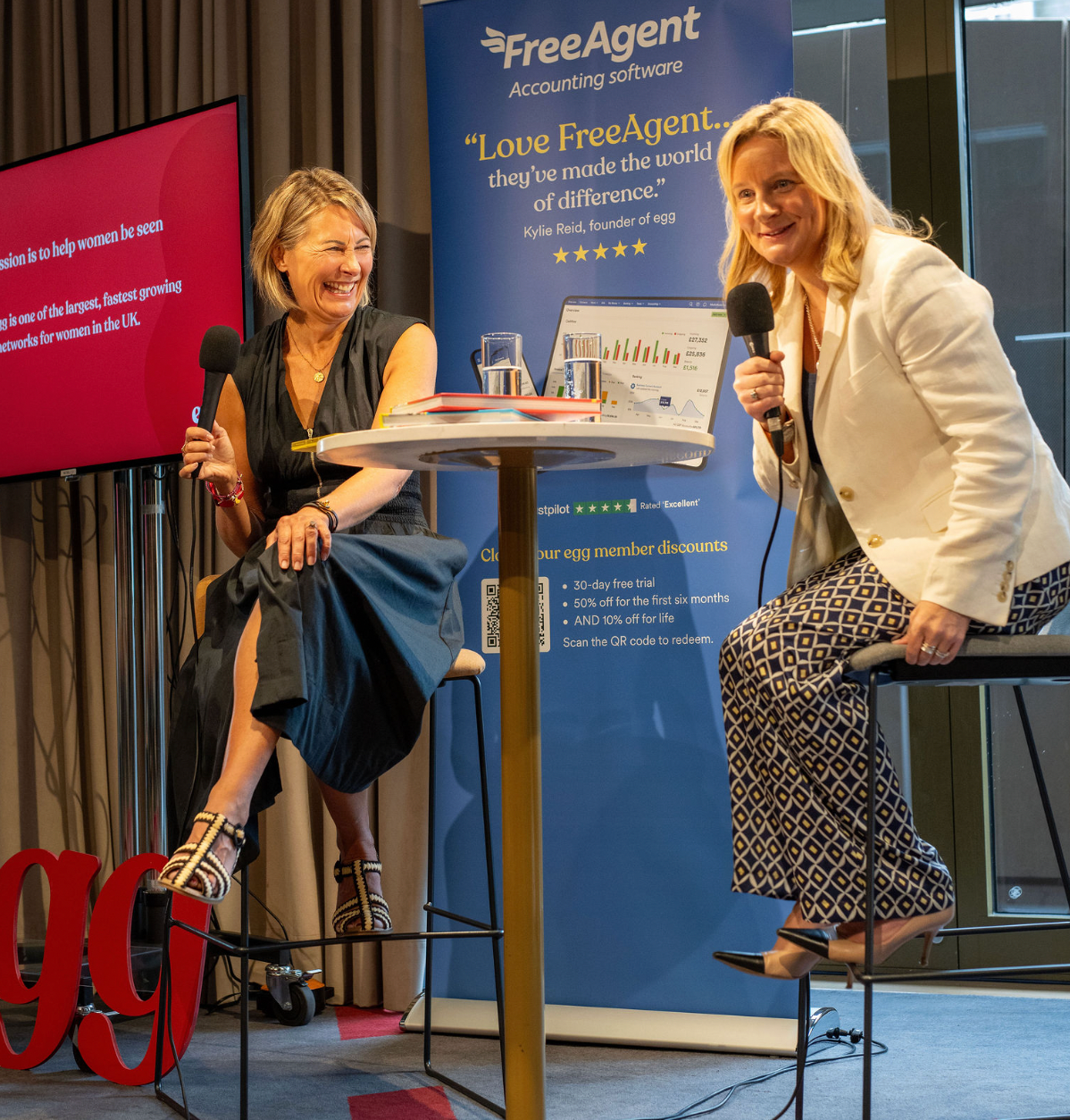
Whether you're stepping onto a stage for the first time or you've been presenting for years and still feel that flutter of nerves before you begin — this one's for you.
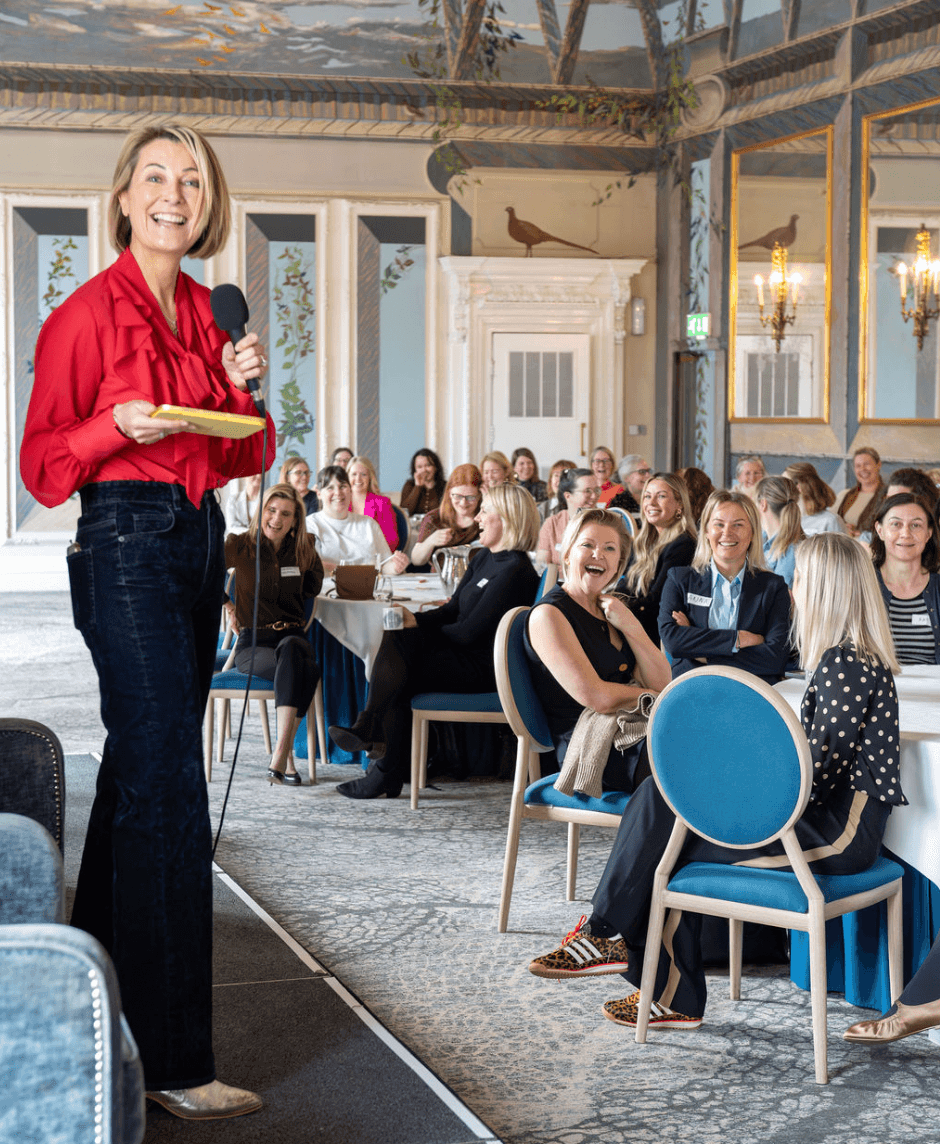
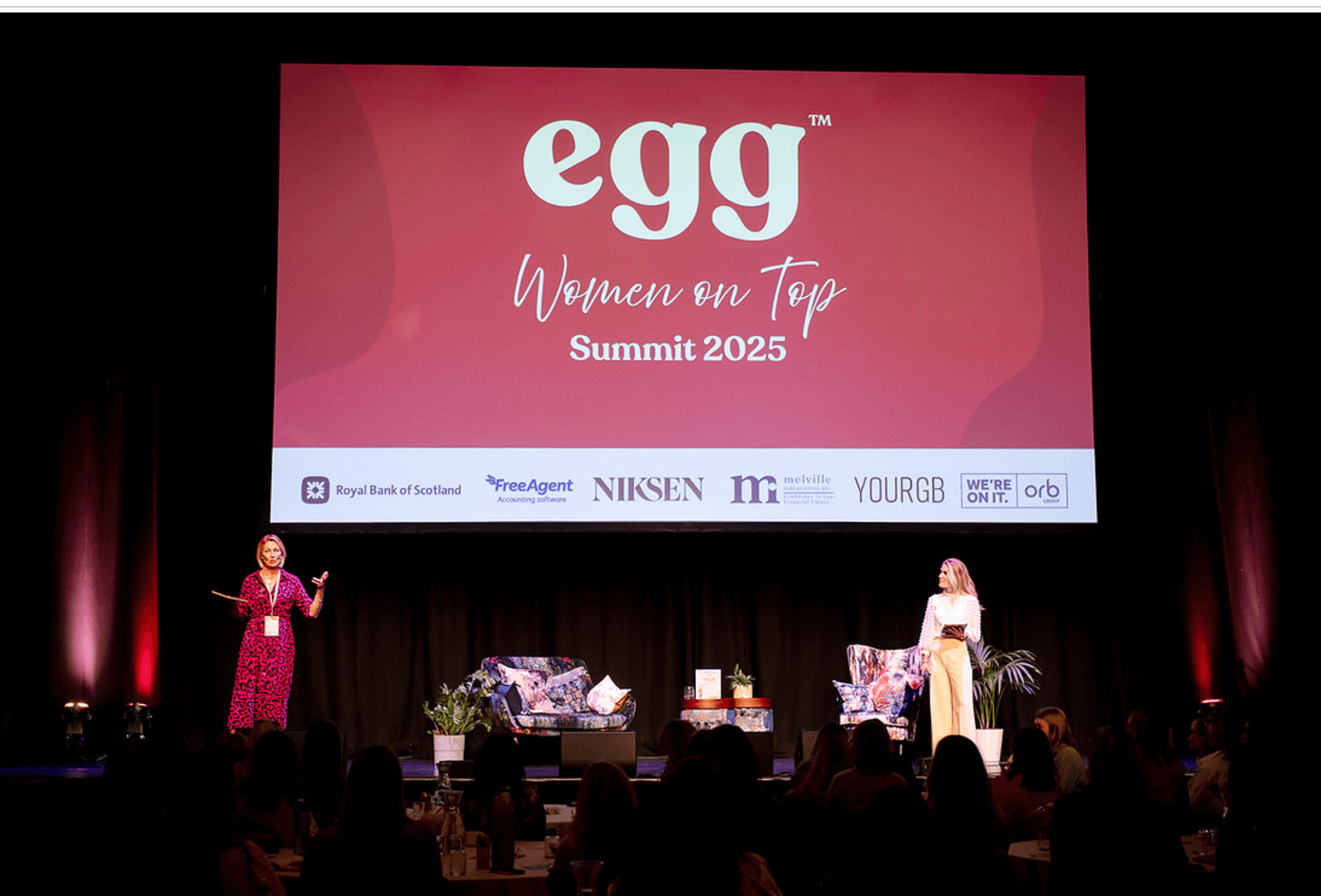
I've hosted hundreds of events across Scotland. From intimate egg breakfast clubs to the Scottish Edge Awards finals, the British Business Awards and the Business Beats Cancer fashion show. I've stood in front of rooms of 30 and rooms of 500. And here's what I know for certain: the ability to hold a room is a skill, not a gift.

It can be learned. It can be practised. And once you have it, it changes everything — not just on stage, but in meetings, pitches, job interviews and every conversation that matters.
So here are my honest, practical tips. No fluff. Just what actually works.
1. Prepare more than you think you need to
The number one thing that separates a confident presenter from a nervous one isn't talent — it's preparation. When you know your material deeply, your brain stops worrying about what to say and frees up energy to focus on how you're delivering it.
That doesn't mean memorising a script word for word. In fact, that often makes things worse — one stumble and the whole thing unravels. Instead, know your key points so well that you could explain them in any order, in any amount of time, to any audience.
I always say: prepare for the unexpected, and the expected becomes effortless.
2. Your nerves are not the enemy
Here's something nobody tells you: the best speakers in the world still get nervous. The butterflies don't go away — you just learn to fly them in formation.
Nerves are just energy. Adrenaline that your body is helpfully sending you because it knows this moment matters. The shift happens when you stop trying to suppress that feeling and start channelling it. Take a breath, plant your feet, and let that energy become presence rather than panic.
Before I go on stage I always do the same thing: three slow breaths, shoulders back, and remind myself that the audience wants me to do well. They're not sitting there hoping I'll fail. They want to be entertained, informed and inspired. That's it.
3. Slow. Down.
When we're nervous we speed up. Our words rush out faster than our thoughts, we skip the pauses, and suddenly we're three minutes in and nobody has caught up with us yet.
The pause is your most powerful tool. It creates drama. It gives your audience time to absorb what you've just said. It makes you look calm and in control even when you don't feel it. Practice speaking more slowly than feels natural — on stage, it will feel just right.
A good rule of thumb: if it feels too slow to you, it's probably perfect for your audience.
4. Make eye contact properly
Scanning the room is not eye contact. Real eye contact means landing on one person, completing a thought with them, then moving to another. It's a conversation, not a lighthouse beam.
This does two things. First, it makes every individual in the room feel like you're speaking directly to them. Second, it grounds you — finding friendly faces keeps you connected and present rather than disappearing into your own head.
If eye contact feels scary, start with the people who are nodding. There's always at least one person nodding. Find them early and they'll carry you through.
5. Know your opening line — and your closing line
The two moments that matter most are when you begin and when you end. Everything in the middle can breathe, evolve and adapt — but these two should be locked in.
Your opening line sets the energy of everything that follows. It doesn't have to be a joke or a dramatic statement. It just needs to be delivered with intention. Look up, take a beat, then begin.
Your closing line is what people will remember. End on something that lands — a call to action, a question, a moment of warmth, a line that echoes back to where you started. Don't trail off. Don't say "so, yeah, that's me." End like you mean it.
6. Your body language is speaking before you open your mouth
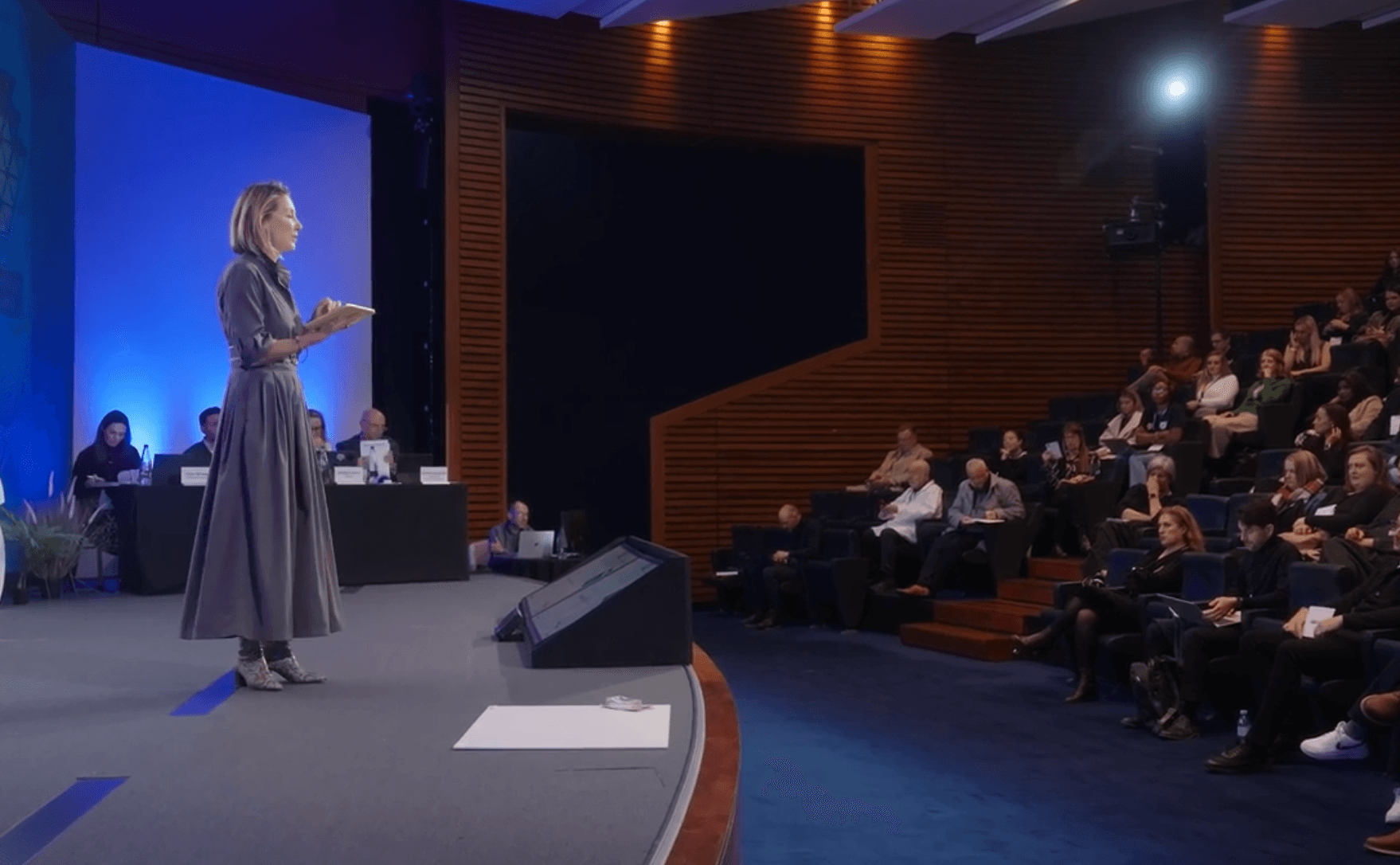
From the moment you walk into a room — or onto a stage — people are reading you. The way you carry yourself tells them whether to trust you, tune in, or switch off.
Stand tall. Take up space (especially important for women — we're so often conditioned to make ourselves smaller). Keep your hands visible and let them move naturally. Avoid crossing your arms, gripping the lectern for dear life, or staring at your notes.
And smile. Not a fixed, uncomfortable grin — a genuine, warm smile that says I'm glad to be here. Because if you can find a way to actually mean that, everything gets easier.
7. Read the room — and be willing to change
No matter how well you've prepared, the live experience will always be slightly different from the one in your head. The audience might be quieter than expected. The energy might be higher. Someone might ask a question that takes things in a different direction.
The best presenters and hosts are flexible. They have a plan, but they hold it loosely. They pay attention to what the room is giving them and they respond to it.
This is honestly the thing that comes with experience more than anything else — and it's why getting up and doing it, even in small ways, is the only real shortcut.
8. Done is better than perfect
I see so many brilliant women at egg events who have something genuinely powerful to say — and they hold back because they don't feel ready. They're waiting until they're more confident, more polished, more prepared.
Here's the truth: confidence comes after you do the scary thing, not before. You don't wait until you feel ready. You do it, and then you feel ready.
Start small. Say yes to the panel. Volunteer to present at the team meeting. Pitch your idea in the room. Each time you do it, your baseline shifts. And one day you'll look back and realise you've become someone who can own any room they walk into.
Looking for a professional host for your next event in Scotland?
If you're planning an event - whether it's a conference, awards night, panel discussion, gala dinner or community gathering - having the right host makes all the difference. Someone who can hold the room, keep the energy alive, handle the unexpected with grace and make every person in that space feel welcome.
That's exactly what I do.
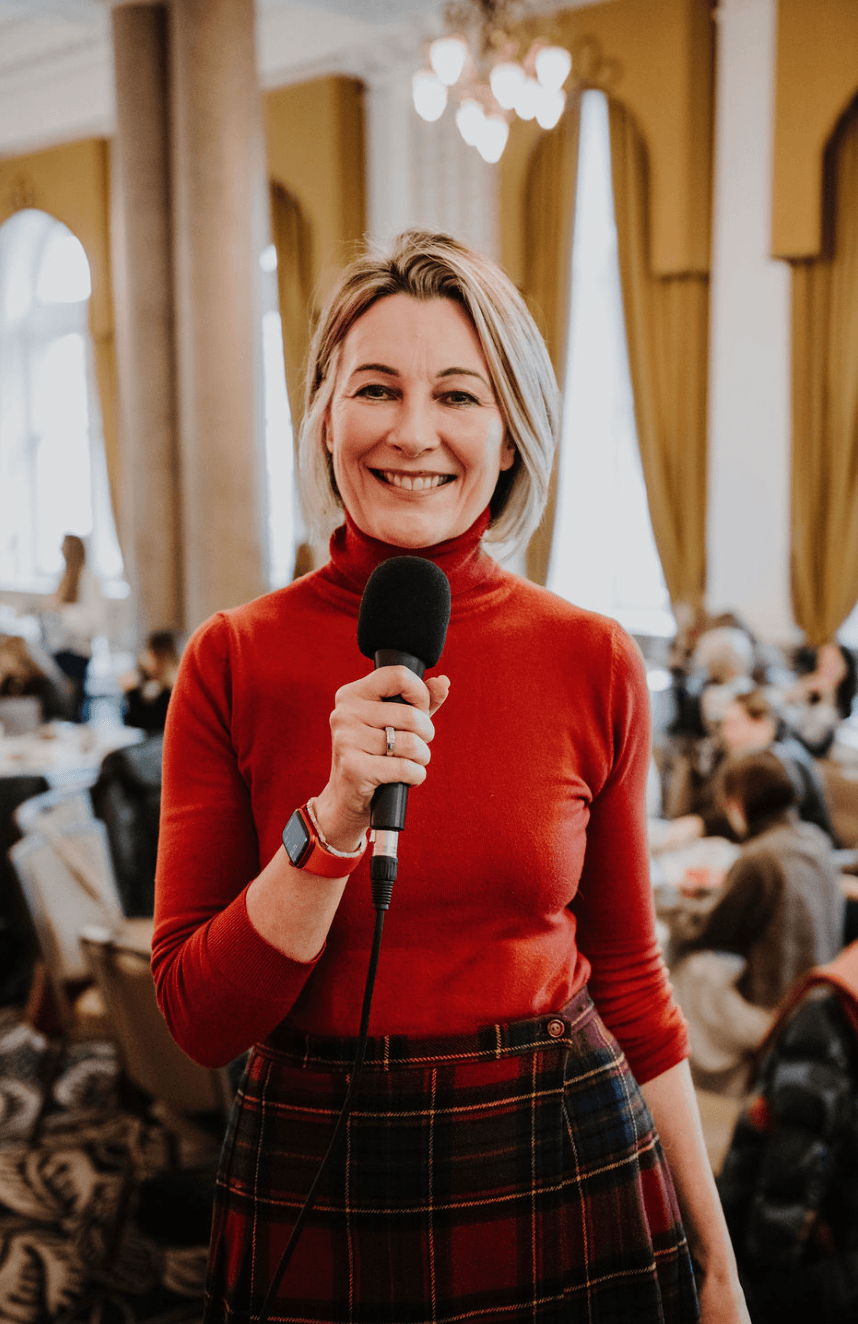
I'm Kylie Reid — professional event host and MC based in Edinburgh, and founder of egg, Scotland's largest community for women. I've hosted hundreds of events across Scotland and the UK, including the Scottish Edge Awards, the British Business Awards and the Business Beats Cancer fashion show.
If you'd like to talk about your event, I'd love to hear from you. Get in touch at [email protected] or find out more at weareegg.co.uk.
Kylie Reid is a professional host, event MC and public speaker based in Edinburgh, Scotland. She is the founder of egg — Scotland's largest community for women — and host of the Egg Talks To podcast. She is available for corporate events, awards ceremonies, conferences, panel discussions and keynote hosting across Scotland and the UK.